Just like you I have always asked, why do lawyers wear Wig & Gown? What is the significance of the Wig & Gown in the legal profession?
HISTORY
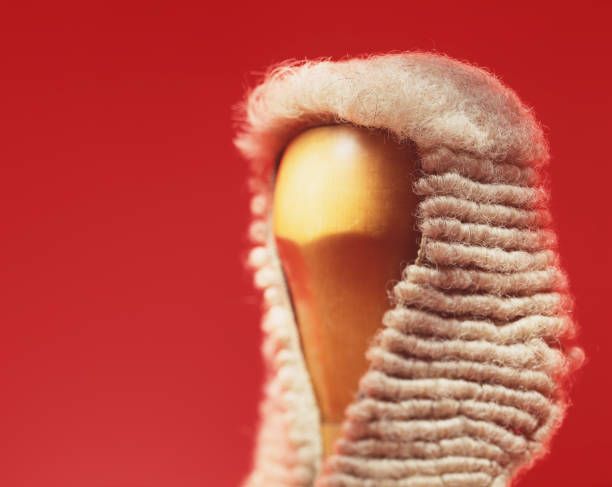
The history of wigs can be traced back to the French Empire and the reign of King Charles II of Scotland. He reigned from 1649 to 1651. During his reign, he originally banned the clergy men from wearing wigs in 1660. In 1663, King Charles wore a black un-powdered wig as wigs began to be very full bottomed which many believed that he used to cover up syphilis and due to his status as king. The history behind the practice of wearing this rather outlandish garb dates back to the 18th century where it had once been a status symbol distinguishing members of the noble profession from the rest of the populace.
The Wig
The tradition of wearing wigs can also be attributed to Louis XIV and Charles II. Initially, it was mostly with the intention to hide premature hair loss and greying, they reinvented Postiche, a kind of wig. King Louis XIV employed 40 wig makers to make wigs. Due to the fact that wigs became a norm, there was also a decrease in rate of lice on the hair as men had to shave their heads for the wigs to fit.
One more accounts, It is said that the culture of lawyers wearing wigs, has it’s root in culture. This is so because, Charles II had returned to England from France and brought with the trend of the ‘perwig’ from Louis XIV’s court. The English society quickly adopted this trend, so did barristers.

These wigs became the epitome of nobility and refinement, coveted by the upper echelons of society (the wealthy ones). This, during this era, the practice of wearing wigs fell into two major categories;
- Those who wore it because of fashion and
- Those who wore due to baldness or to prevent lice
The wig and gown was seen as an iconic symbol in law. The wig was seen as a symbol of authority and nobility. When the wearing of wigs waned, Judges saw the need to continue to wear wigs as it completely makes the legal profession unique. It became a norm in the legal profession for Lawyers and Judges to wear wigs as it is something to identify them with. Over the years, the wearing of wigs became less fashionable. However, by this time, lawyers and judges felt is sufficiently differentiated them from other. As such, they kept on the practice.
The Gown
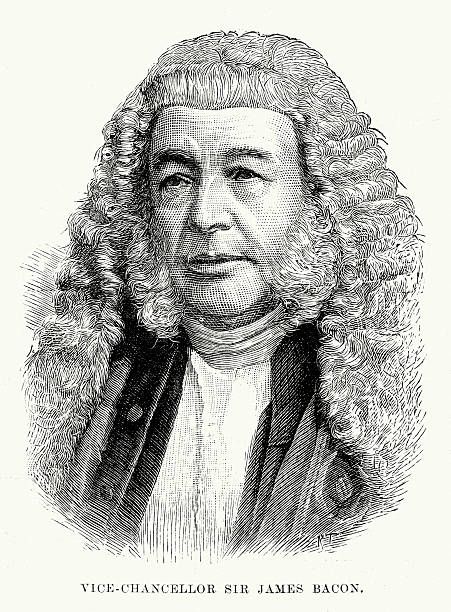
Unlike the wig, the Black Robe or Gown has a little twist surrounding it. It was worn as a mourning gown after the death of a king Charles II in 1685. After the mourning period, Lawyers decided to keep wearing it, as it begun to symbolise the sombre nature of the profession and its uniqueness.
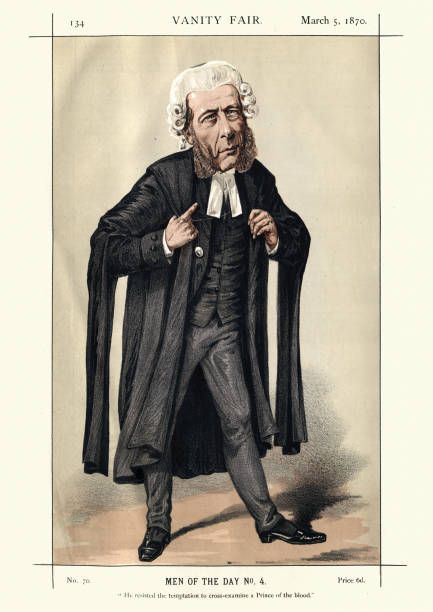
The Black robe worn by lawyers also has a weird piece of triangular cloth attached to the left shoulder which has been interpreted to mean different things.
- Firstly, it is believed that the triangular cloth was to protect the dignity of lawyers since they cannot be openly paid, so clients puts payments in the pockets. According to some, it is divided in half as one if for gold and the other is for silver.
- Secondly, it is believed that the triangular cloth is a derivative of the mourning hood introduced following the death of King Charles II.
Notably, this custom or norm has been more or less done away with in England as Lawyers are not required to wear wigs unless it is a criminal case. The wigs are not also required in the UK Supreme Court.
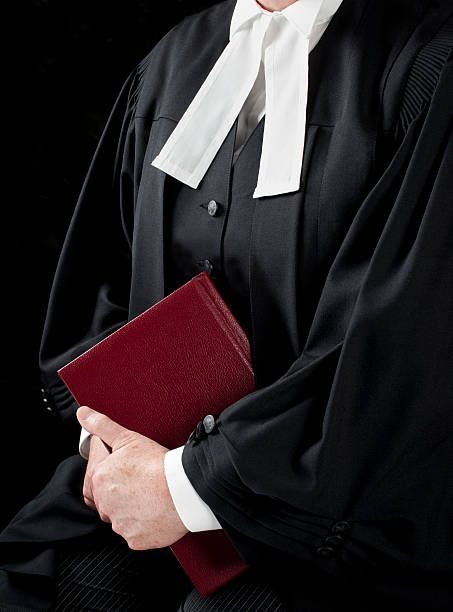
One Barrister who sees a problem with Lawyers wearing Wigs is Barrister Leslie Thomas KC who argues that ‘Wigs have no place in the modern legal profession’ and also pinpointing that it represents a ‘ridiculous anachronism’ as Lawyers have to pay an exorbitant fee to get wigs and gowns.
Could he be right?
Your thoughts.
Written and Researched By
HENRY WANOGHO O.
For
LEGAL PALACE
©2024
 Legal Palace